Ebook: Shaping the future of ESG Ratings: Regulatory Shifts and AI Innovation
February 5, 2025
•
5 mins read
A few months ago, Sylvain Forté, CEO of SESAMm, and Julia Haake, Head of ESG Ratings Agency at Ethifinance, sat down and dove deeper into how AI and new regulatory standards are reshaping the future of ESG ratings for rating providers. Download the ebook and have an insider’s view into their thoughts on ESG regulations for rating agencies, the challenges they face, and the possible solutions.
In our recent webinar, “Navigating UNGC Violations: Key ESG Risks for Investors Across Sectors,” SESAMm CEO Sylvain Forté and Head of Sales Andrew Bernstein break down the latest research on corporate alignment with the UN Global Compact (UNGC). The session also marks the launch of our UNGC Breach Detection tool, designed to help investors monitor and address UNGC-related ESG risks in line with SFDR’s PAI 10.
Watch this webinar to learn how to:
Tech, Automotive, and Retail sectors show the highest number of confirmed and potential UNGC breaches.
A significant gap exists between allegations and enforcement—many companies face claims without consequences.
SESAMm’s new UNGC Breach Detection tool uses AI to identify and classify violations across industries, offering timely, data-driven insights.
Fill out the form to access the webinar replay now!
Webinar Replay: Navigating UNGC Violations - Key ESG Risks for Investors Across Sectors
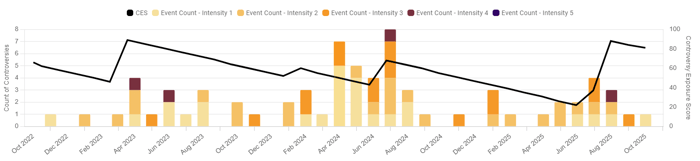
The insurance sector continues to face mounting ESG scrutiny amid rising climate losses, digital vulnerabilities, and complex regulatory environments. Over the past three years, leading firms such as UnitedHealth Group, Prudential Financial, and AIG have faced increasing challenges related to governance oversight, social accountability, and environmental exposure. Climate-related issues have driven significant financial impacts, while increased regulatory intervention, particularly in healthcare and claims management, has underscored the cost of weak internal controls. Data breaches, legal disputes, and reputational controversies have further intensified the spotlight on insurers’ operational resilience and ethical standards. Collectively, these developments illustrate how ESG risks in the insurance industry are shifting from mere concerns to central strategic priorities.
What are the most pressing ESG challenges currently facing the insurance sector? Read on to find out.
UnitedHealth Group (UNH): Governance and Regulatory Scrutiny
UnitedHealth’s ESG risks have intensified amid ongoing investigations and governance controversies. Its $3.3 billion acquisition of Amedisys has led to an antitrust lawsuit, while its Medicare Advantage business is under investigation for federal fraud. Social controversies include reports that UnitedHealth used algorithms to shorten patient rehabilitation care and paid nursing home bonuses to limit hospital transfers, prompting inquiries from U.S. senators. With its stock declining nearly 30% amid these challenges, the insurer’s case highlights the growing regulatory and ethical scrutiny of healthcare-linked financial services.
Prudential Financial Inc.: Compliance, Cybersecurity, and Consumer Protection Risks
Prudential’s ESG controversies over the past three years reflect systemic issues in data governance, workforce management, and regulatory oversight. The company announced layoffs in different regions, as well as a data breach affecting over 25 million individuals, for which a $4.75 million settlement is available to cover claims. Additionally, the U.S. Department of Labor found that Prudential had illegally denied over 200 life insurance claims, which has impacted investor confidence. These events highlight the company's vulnerabilities in compliance, cybersecurity, and consumer protection.
American International Group (AIG): Climate Risks and Reputational Challenges
Over the past three years, AIG has faced increased ESG scrutiny regarding climate risks and fossil fuel underwriting, reporting a 39% decline in profit and over $600 million in losses from Hurricane Ian. Activists pressure AIG to withdraw coverage for the East African Crude Oil Pipeline due to environmental concerns. On the social side, AIG has been struggling with reputational fallout from protests marking the 15th anniversary of its bailout and allegations of sexual assault involving a senior executive. On governance, AIG has been dealing with legal battles ranging from disputes over firearm-related claims and post-M&A settlements to trade secret litigation, underscoring persistent operational and compliance risks across its global portfolio.
The recent controversies across major insurers reinforce a broader trend: the convergence of financial performance, regulatory compliance, and ESG integrity. For AIG, physical climate risk and fossil fuel exposure remain defining challenges; for Prudential, consumer data protection and fair claims practices are under scrutiny; and for UnitedHealth, governance lapses tied to healthcare operations threaten long-term trust. As the sector evolves under increasing public and regulatory pressure, insurers that strengthen transparency, ethical oversight, and risk governance will be best positioned to sustain credibility and competitiveness in an ESG-driven market.
Reach out to SESAMm
TextReveal’s web data analysis of over five million public and private companies is essential for keeping tabs on ESG investment risks. To learn more about how you can analyze web data or to request a demo, reach out to one of our representatives.
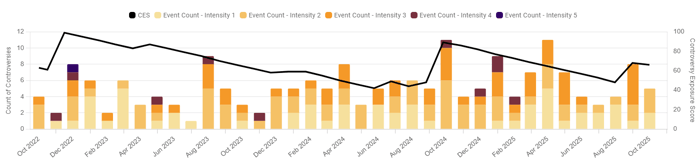
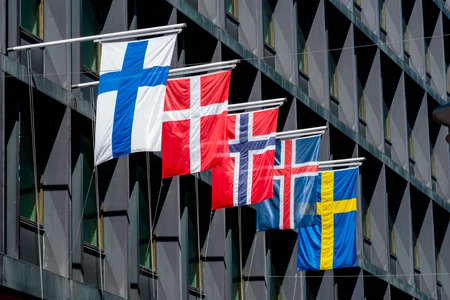
Over the past years, the Nordic banking sector has faced significant challenges related to governance, compliance, and ethical practices, highlighted by ongoing ESG controversies. These issues vary in severity among the banks, impacting their operational stability and public trust.
The largest Nordic bank, Nordea Bank, headquartered in Finland, has been affected by money laundering scandals, leading to substantial fines and criticism for its investment practices.
However, the Finnish bank isn’t the only one under scrutiny. Its competitors, Danske Bank and Svenska Handelsbanken, have also been entangled in scandals linked to Estonian money laundering, fossil fuel funding, and more. These controversies have resulted in branch closures, record fines, and criminal investigations.
How does Nordea Bank compare to its competitors when it comes to ESG concerns? Read on to find out.
Nordea Bank: Navigating Troubled Waters
Nordea Bank, the largest financial services group in the Nordic region, has found itself involved in a series of major scandals. Notably, it faced a $35 million fine for compliance failures linked to the Panama Papers, highlighting significant gaps in its anti-money laundering (AML) efforts. Other key controversies include the bank's decision to invest in controversial sectors, cyberattacks that revealed security issues, scrutiny of its tax fraud handling, and debt collection investigations.
Danske Bank has been linked to a significant money laundering scandal at its Estonian branch, involving around 29.4 billion kroner. This scandal led to an FBI investigation, high-profile resignations, and hefty fines, including a $2.1 billion settlement. The bank was also implicated in other unethical practices, including investments linked to fossil fuels and military regimes, adding layers of governance and ethical challenges. The ongoing legal and compliance issues have necessitated operational cutbacks and layoffs, deeply affecting the bank's structure and market performance.
Svenska Handelsbanken: Operational and Ethical Challenges
While Svenska Handelsbanken has faced fewer controversies compared to Nordea and Danske Bank, it is not without its own issues. The bank's decision to close 180 branches has increased employee workload and led to customer service challenges. Regulatory demands for better customer oversight and penalties for misleading trading practices highlight ongoing governance challenges. Furthermore, the bank's decision to terminate its partnership with Safello has sparked questions about its transparency and ethical practices.
The ongoing controversies involving major Nordic banks like Nordea, Danske Bank, and Svenska Handelsbanken highlight significant issues in compliance, governance, and ethics. These challenges have not only affected their reputations but also have broader implications for the industry's stability and trust. Moving forward, these banks must prioritize enhancing their compliance measures and ethical practices to rebuild trust and secure their positions in the competitive financial market.
Reach out to SESAMm
TextReveal’s web data analysis of over five million public and private companies is essential for keeping tabs on ESG investment risks. To learn more about how you can analyze web data or to request a demo, reach out to one of our representatives.
Stay ahead with the latest in ESG and AI intelligence
Join our mailing list to receive new reports, event invites, and updates from SESAMm directly to your inbox.





.png)
%2520(1).png)
%2520(2).png)


.png)