
.jpg)

On June 17, SESAMm joined WeeFin and EthiFinance to co-host ESG Version Française, a morning of discussion held at Caisse des Dépôts in Paris. The event brought together investors, asset managers, and ESG leaders from across the French and European financial sector to address a question with real consequences for how ESG risk gets measured: how do you support European sovereignty in ESG evaluation, ratings, and analysis?
The starting point for the morning was a striking figure: roughly 60% of the global ESG data market is controlled by US-based providers. For European investors, that concentration creates a structural dependency that shapes methodologies, tooling, and ultimately investment decisions. ESG Version Française set out to move that conversation from diagnosis to action.
The morning opened with a conversation between Grégoire Hug, co-founder and CEO of WeeFin, and Josselin Kalifa, Director of the Investment Management Department at Caisse des Dépôts. Their discussion framed ESG sovereignty not as an abstract policy goal but as a competitiveness issue for European financial institutions, one that touches data access, methodological independence, and the ability to set standards rather than simply follow them.
The first panel, moderated by Carol Sirou, CEO of EthiFinance, examined what makes French ESG expertise distinctive and how those strengths can serve European sustainable finance more broadly. Panelists discussed the specific methodological rigor that French providers and analysts bring to ESG assessment, and why that expertise is a genuine asset rather than a niche approach, at a moment when European institutions are being asked to justify their ESG frameworks with more scrutiny than ever.
The second panel, titled "Actifs privés et technologie : quelles nouvelles frontières pour l'analyse ESG et la gestion des risques ?" (Private Assets and Technology: What New Frontiers for ESG Analysis and Risk Management?), was moderated by Sylvain Forté, CEO of SESAMm. The discussion focused on private assets specifically, the segment of the market where ESG data has traditionally been hardest to access, and on how AI driven technology is opening new frontiers for covering, analyzing, and monitoring risk on private companies at scale. Panelists discussed what these tools make possible today, from broader coverage of private assets to faster, more transparent risk analysis, and why technological capability is now central to the sovereignty conversation, not separate from it.
The morning closed with a final round of questions over coffee, giving attendees a chance to continue theconversation informally with speakers and fellow investors.
Speakers
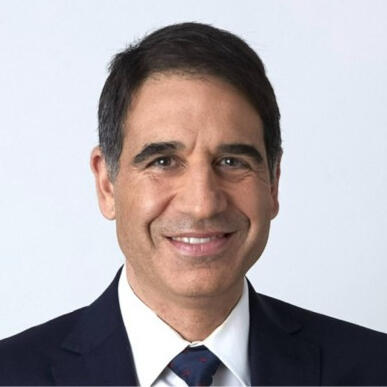
Josselin Kalifa
Director of the Investment Management Department
Caisse des Dépôts
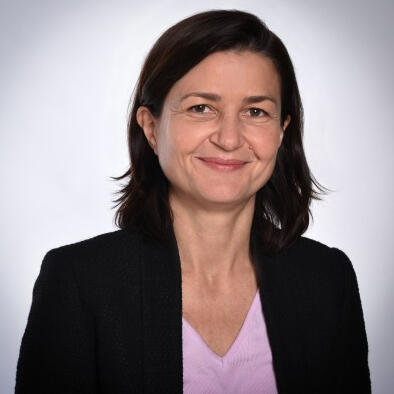
Pascale Forde Maurice
Head of Corporate Europe, Sustainable Banking
Crédit Agricole CIB
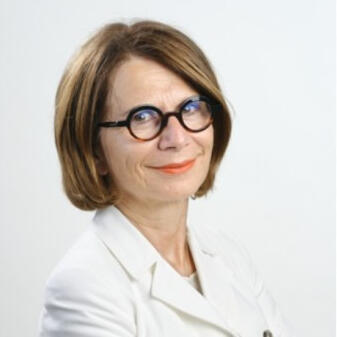
Marie-Pierre Peillon
Director of Research and ESG Strategy
Groupama Asset Management
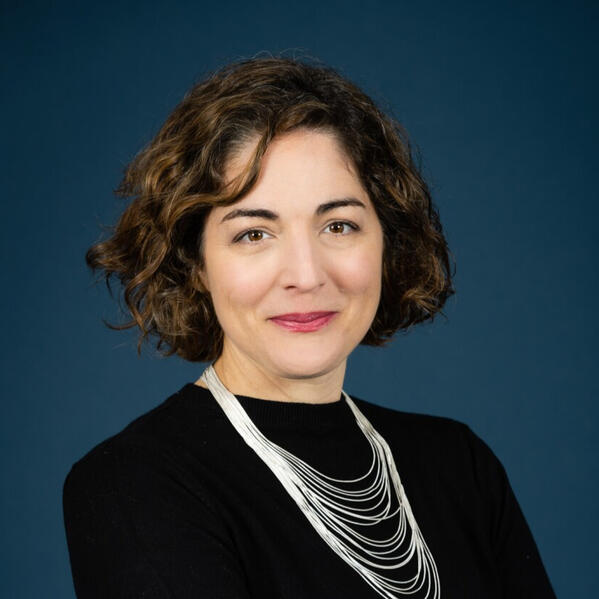
Maud Colin Livet
Head of SRI
Fonds de Garantie des Victimes
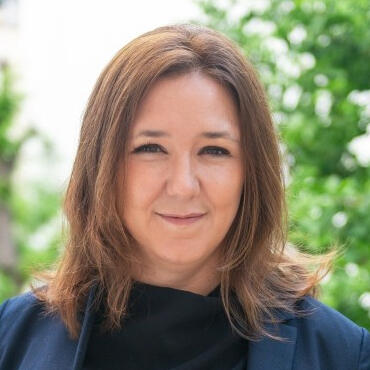
Cécile Goubet
Managing Director
Institut de la Finance Durable
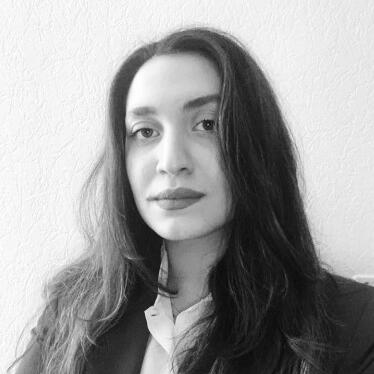
Gaëlle Achdjian
Principal ESG & Sustainability
Access Capital Partners
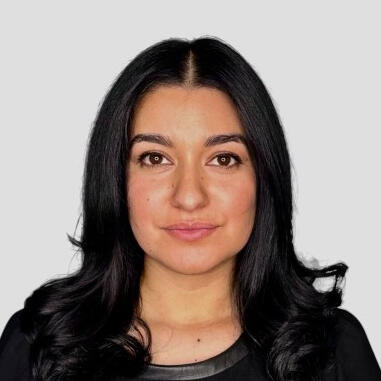
Abigail Arellano
Sustainability Project Manager & Data Specialist
Natixis Investment Managers
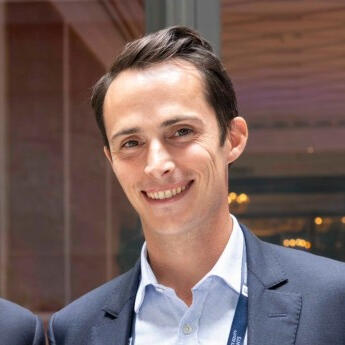
Grégoire Etienne
CEO
Greenscope
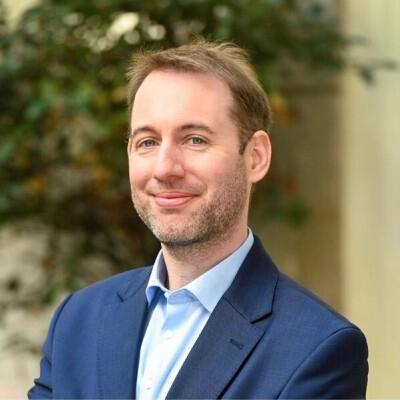
Grégoire Hug
Co-founder and CEO
WeeFin
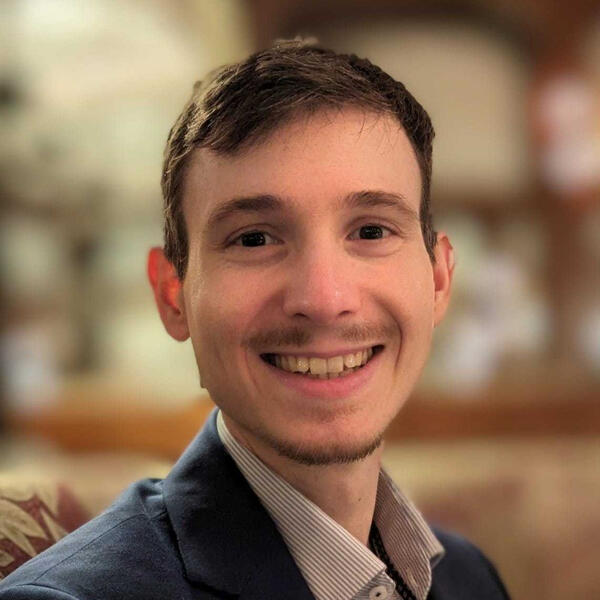
Sylvain Forté
CEO
SESAMm
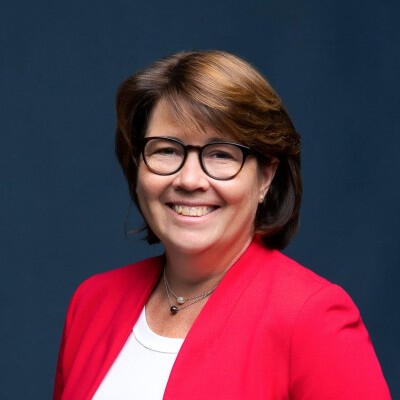
Carol Sirou
CEO
EthiFinance



.png)