

SESAMm's ESG data shows FIFA's Controversy Exposure Score has stayed High to Very High since 2020. See why continuous monitoring beats the four-year cycle.
With the 2026 World Cup now underway, FIFA is back in the global spotlight, and its risk profile is once again being narrated in four-year cycles, as though controversy arrives with the tournament and recedes with the closing ceremony. The data points to a different pattern. Across the period from January 2020 to June 2026, the large majority of FIFA's most serious controversies were recorded outside any World Cup window. Tournaments concentrate global attention on FIFA's existing liabilities, but the evidence suggests they do not drive the underlying volume. Many of the substantive events, including court verdicts, regulator rulings, fund decisions, and bid matters, occur in the periods between tournaments.
For investors, sponsors, and anyone screening exposure to football's governing body, this distinction matters. If controversy were cyclical, it could be assessed around the calendar. Because the data indicates it is closer to continuous, it is better suited to ongoing monitoring. To examine this, the analysis below draws on SESAMm's controversy data, which captures and classifies FIFA's reputational, regulatory, and operational controversies.
Context: How FIFA's Structure Shapes Its Risk
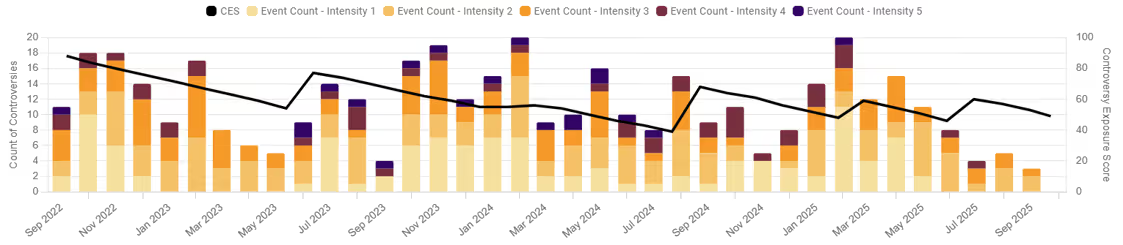
Controversy Exposure Over Time
It helps to start with how FIFA is organized, because its governance structure has a direct bearing on the type of risk it carries. As a Swiss-law association, FIFA answers to a membership rather than to shareholders or a securities regulator, and its decision-making body, the FIFA Council, is composed of representatives from the regional confederations whose commercial interests the Council also oversees. This means the regulatory functions of sanctioning, eligibility, and integrity sit close to the commercial function of awarding and selling tournaments. Arrangements of this kind tend to produce a steady stream of governance-related questions as part of normal operations, which is consistent with SESAMm’s controversy data.
One useful illustration is procedural rather than criminal. The Blatter and Platini proceedings span the entire time period without reaching a clear resolution, running from a 2020 complaint through a fraud indictment, an acquittal, a prosecutorial appeal, and a second acquittal, before Platini opened a fresh action against FIFA and Infantino in June 2026. As a corruption narrative, the sequence is inconclusive. As a governance observation, it illustrates a broader dynamic in which matters are litigated and re-litigated over long periods, in part because resolution often depends on external courts operating on their own timelines. The result is a long-running procedural footprint rather than discrete, time-bound events.
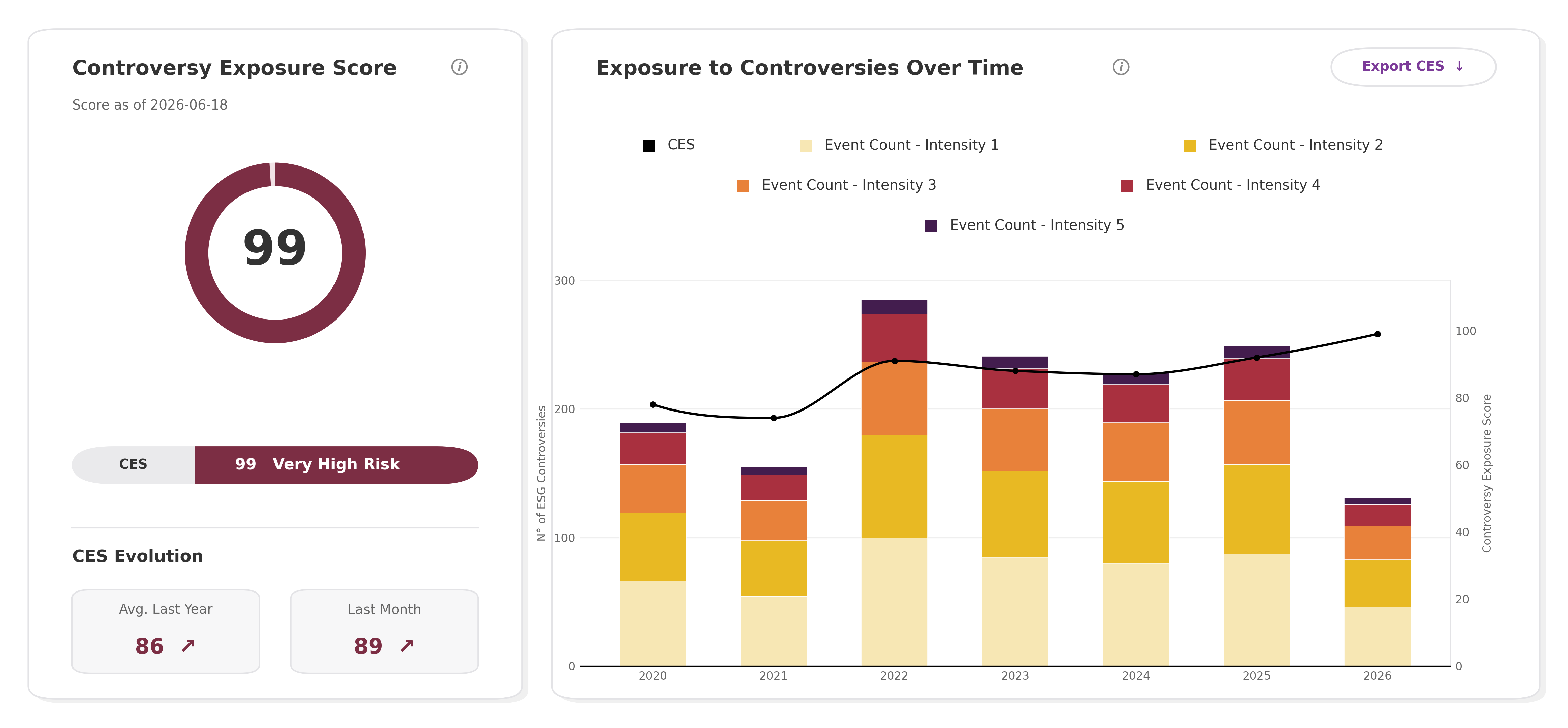
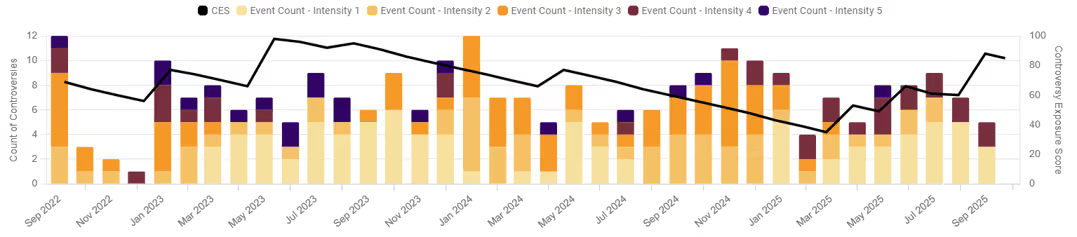
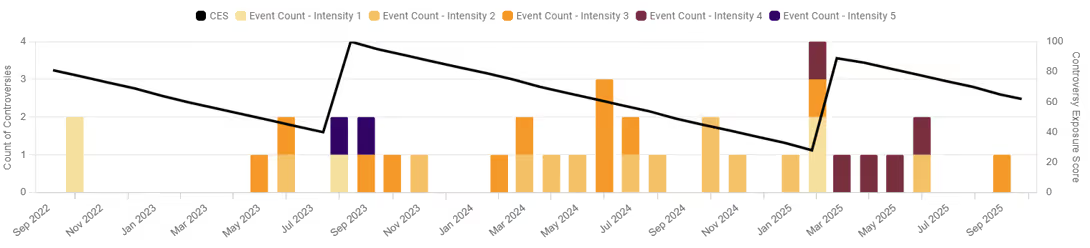
The CES is an aggregate, entity-level score (0–100) that measures an entity's overall exposure to ESG controversies over time. It's built from individual ESG events and their intensities, synthesizing both event volume and severity into a single trackable figure. The intensity score, by contrast, operates one level down: it's applied at the event level, measuring how severe or important each individual ESG event is on a scale from 1 (least severe) to 5 (most severe). In short, the CES tells you how exposed an entity is overall, while the intensity score tells you how serious each underlying event is.
ESG Risk Over Time
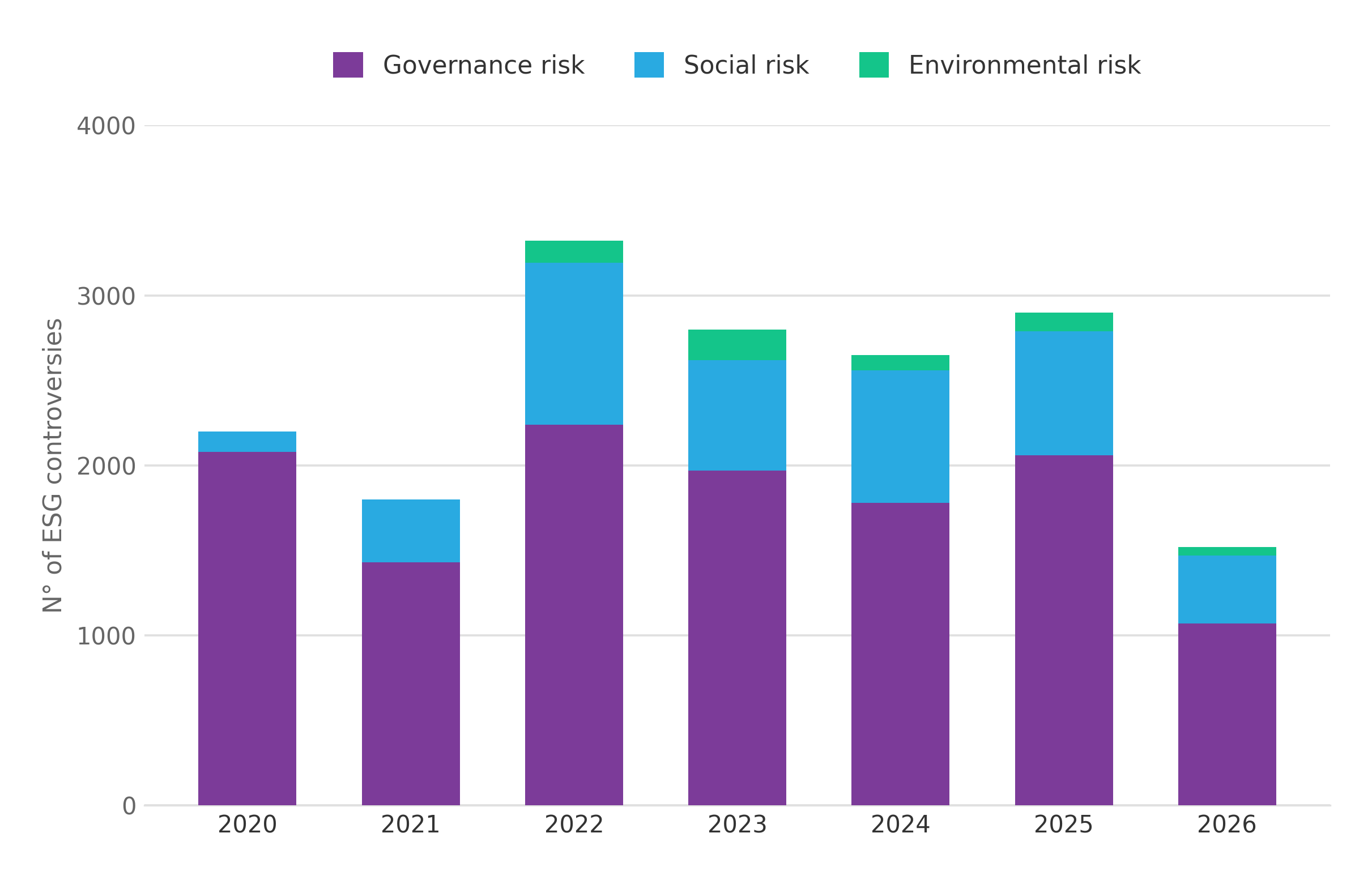
This chart tracks FIFA's ESG controversies per year from 2020 to 2026, stacked by risk pillar. Governance dominates every bar, with social forming a secondary band and environmental barely visible. Volume climbs from a governance-heavy opening year to a clear peak in 2022, then holds at a stable plateau through 2025 before the short 2026 bar. The shape is driven by a handful of major events. The 2020 corruption investigations kept the opening-year baseline elevated and were almost purely governance-related, following a US DOJ indictment unsealed that April, which alleged bribes were paid for the votes that awarded Russia and Qatar the 2018 and 2022 World Cups.
The 2022 Qatar World Cup marked the clear inflection point, drawing sportswashing accusations and pushing total controversies to their peak, while migrant-worker conditions and human-rights coverage around Qatar thickened the social band into a permanent quarter-to-third of each bar from 2022 onward. Rather than reverting, controversies settled into a post-2022 "new normal," plateauing well above the pre-tournament level.
The short 2026 bar, meanwhile, captures only a partial year at the June kickoff of the World Cup now underway across the US, Canada, and Mexico, and its drivers are already piling up across all three ESG dimensions. On governance, a fan backlash over first-ever dynamic ticket pricing escalated into a supporters' lawsuit and thousands of unsold seats, while FIFA's mandatory three-minute hydration breaks, introduced as a player-welfare measure, ere opened to broadcasters as in-game ad windows projected to generate upwards of $250M for Fox Sports alone (and potentially over $1bn globally), prompting one player to remark that the "hydration break turned into a commercial break." On the social side, visa challenges and travel-ban restrictions emerging right before the tournament left fans, journalists, and even a debuting referee blocked at the border, Iran saw its ticket allocation withdrawn days before its opener, and the confirmed presence of ICE agents at stadiums triggered a stadium-workers' strike threat. And on the environmental side, FIFA president Gianni Infantino's private-jet stadium-hopping drew accusations of hypocrisy amid analyses branding the 48-team tournament one of the most polluting on record. With the tournament only days old, the full-year figure is far more likely to climb than to fall.
Underneath it all, corruption-and-bribery and legal/investigative exposure account for the bulk of total risk across 2020 to 2026, while environmental risk stays statistically negligible throughout.
ESG Risk by Type
Environmental Risks
Environmental risk accounts for a small share of FIFA's total controversy volume, but that low frequency masks cases of genuine severity. The Swiss Fairness Commission ruled against FIFA's Qatar 2022 carbon-neutrality marketing, turning a greenwashing accusation into a formal regulatory matter still active in June 2026. Related controversies extend the theme, including criticism of the Saudi Aramco and Coca-Cola sponsorships, the cooling and water-use controversies at Qatar, and the animal-welfare outcry over stray-dog culling ahead of Morocco's 2030 hosting.
Social Risks
FIFA's social controversies are concentrated on human rights and inclusion. The most sustained crisis stems from the legacy of worker deaths and labor abuses at the Qatar World Cup, with the same scrutiny now extending to the selection of Saudi Arabia for the 2034 tournament. Around these run a series of high-intensity cases: the jailing of Qatar 2022 whistleblower Abdullah Ibhais, widespread OneLove armband and LGBTQ+ disputes, and multiple federation-level sexual-abuse scandals. Ongoing labor and harassment vulnerabilities persist as well, including working-condition disputes at FIFA's 2022 hotels and a sexual harassment case involving the head of the FIFA Legends program, confirming that social exposure is a deeply entrenched and sustained challenge rather than a string of isolated incidents.
Governance Risks
FIFA's governance controversies center on accountability and legal scrutiny. The organization has faced massive external investigations into racketeering and money laundering, including a probe into its ticket distribution and pricing practices. Corruption and bribery have been a persistent problem, marked by high-profile scandals such as the Sepp Blatter and Michel Platini case, as well as long-standing investigations into the hosting rights for the 2018 and 2022 World Cups, which revealed opaque decision-making networks.
Beyond these, FIFA has drawn criticism over its marketing and communications, notably branding the 2022 Qatar World Cup as "carbon neutral," and has dealt with fraud and embezzlement, exemplified by the case of former FIFA and CONCACAF official Chuck Blazer. Issues tied to its board and senior management leadership round out the picture, though the overall pattern is one of an organization reacting to the weight of its legal and ethical past rather than getting ahead of it.
The exposure is concentrated in governance, and the named cases show why. The most severe and persistent controversies are institutional: the Blatter and Platini proceedings, the multi-strand FIFAgate complex that has produced convictions and bans for officials, including Juan Ángel Napout, Jérôme Valcke, Jack Warner, and Marco Polo Del Nero, and the European Court of Justice's October 2024 invalidation of FIFA's transfer regulations in the Diarra matter. Antitrust pressure compounds it, from the FIFPRO and European Leagues challenge to the Club World Cup calendar to the Relevant Sports and Super League rulings.
UNGC Violation Screening Breakdown
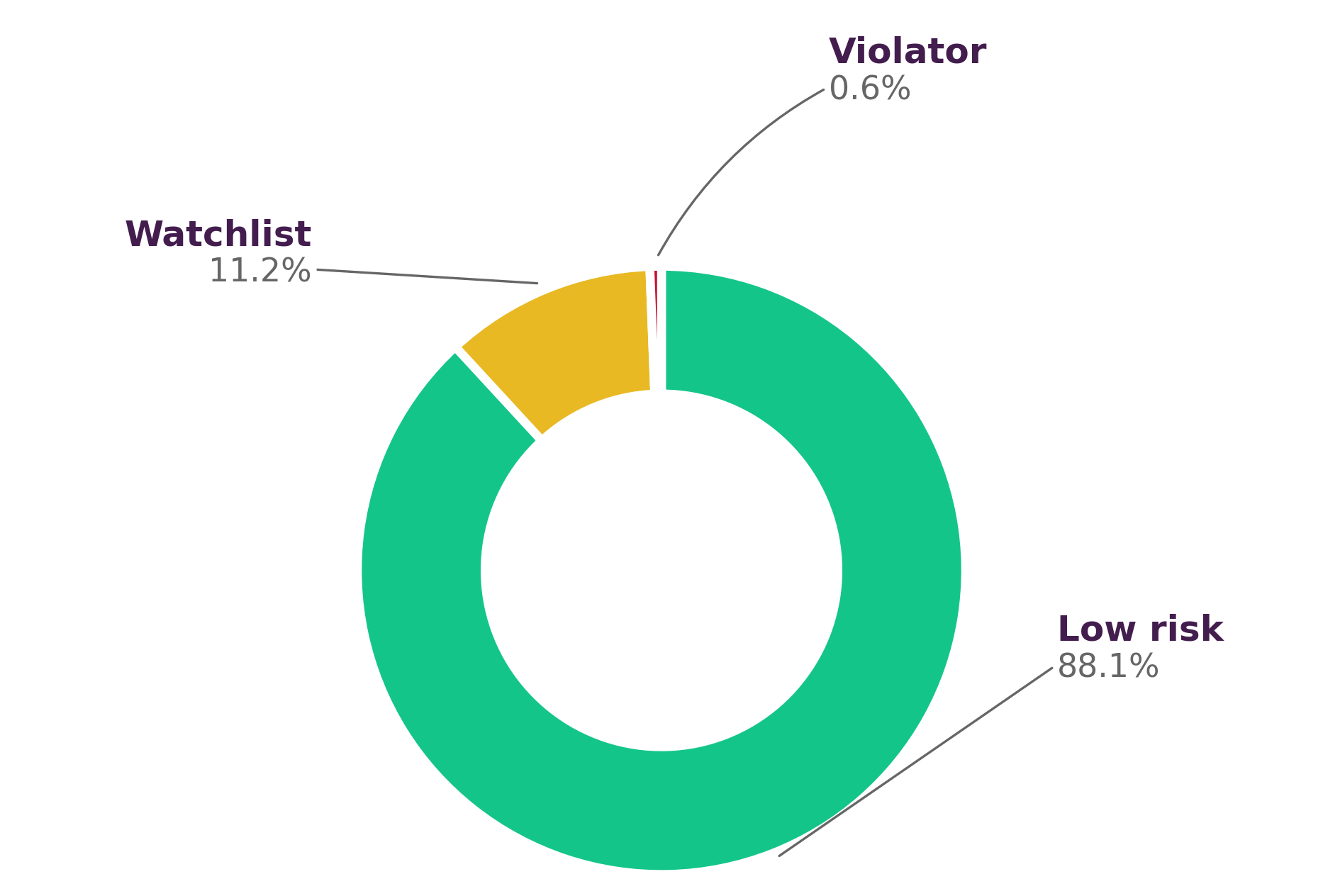
As the breakdown above shows, the overwhelming majority of FIFA's screened ESG events fall into the low-risk tier (1,294, or 88.1%), with 165 (11.2%) on the watchlist and 9 (0.6%) classified as Violator, the highest-risk tier under SESAMm's UN Global Compact screening. That tier is assigned only where there is clear evidence of a breach, such as formal sanctions, court findings, or regulatory condemnations, rather than unresolved allegations. For investors with SFDR Article 8 or 9 obligations, or internal exclusion policies tied to UNGC compliance, a Violator flag on a core holding or counterparty is a material signal rather than a monitoring note, which is why the profile is best read as governance-led: the nine Violator events reflect adjudicated breaches concentrated in FIFA's governance history, not the live controversies surrounding the current tournament.
The composition that emerges is a governance core of long-running legal cases, a Qatar-rooted social overlay that has proven durable, and a small but genuinely high-severity environmental tail now being contested through formal channels.
The Qatar Migrant Worker Case
Phase 1 - Pre-Tournament Build-Up (2020–2021)
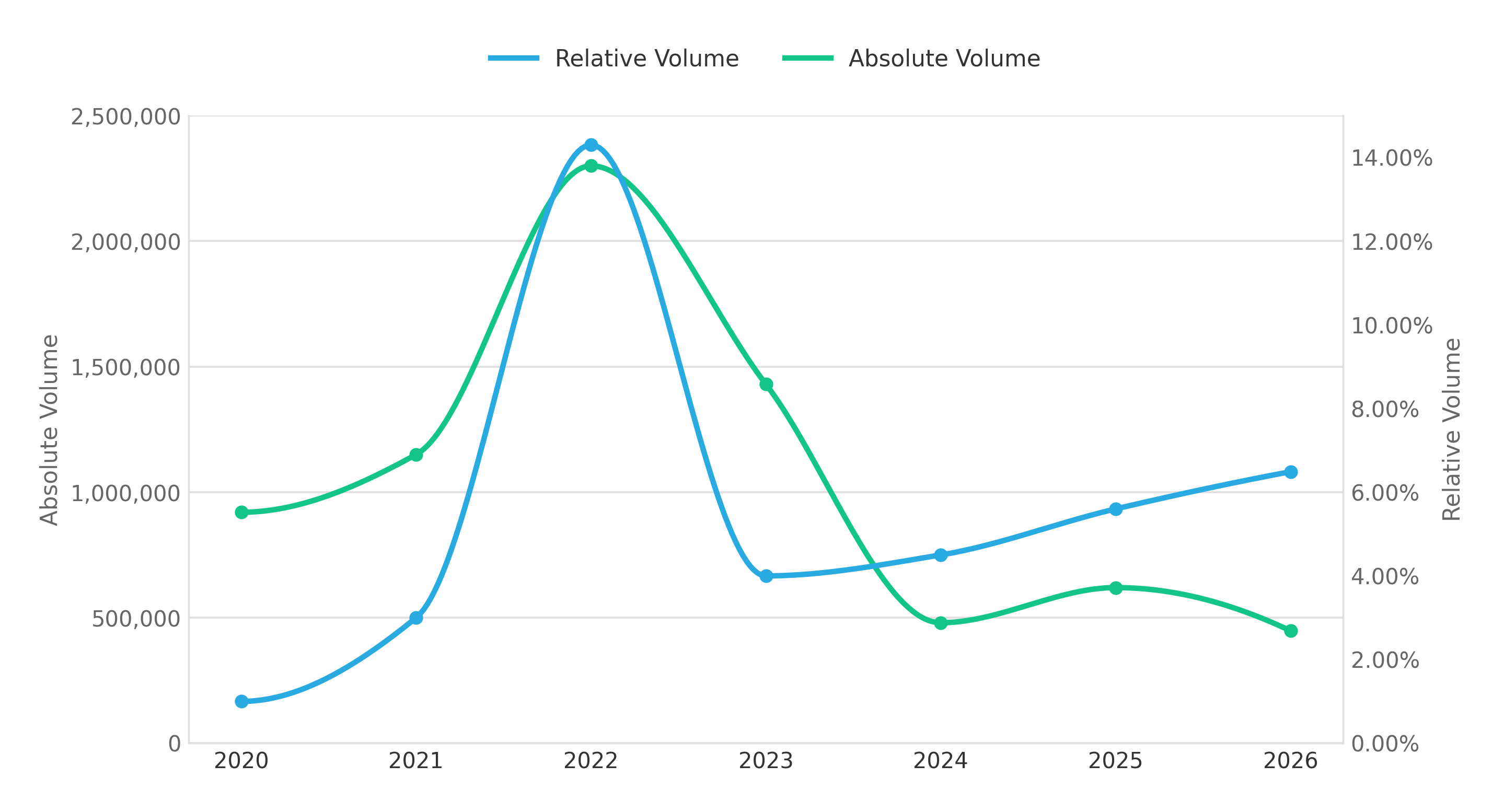
Qatar's relative share of FIFA coverage more than doubles, while absolute volume climbs about a quarter, amid the early drumbeat of scrutiny as the tournament approaches. The specific findings driving this phase: investigations into migrant-worker deaths on World Cup infrastructure, Amnesty International's reporting on forced labor and the kafala sponsorship system, and Qatar's announced labor-law reforms that critics argued were poorly enforced.
Phase 2 - The Tournament Spike (2022)
Both lines explode together, but unevenly: absolute volume roughly doubles while the relative share more than quadruples, briefly making Qatar roughly one in seven of all FIFA-related items, because nearly every controversy fires at once. The spike packs in wider labor abuses, and the jailing of whistleblower Abdullah Ibhais; the OneLove armband ban and Qatar's criminalization of same-sex relations and the broader sportswashing and carbon-neutral greenwashing charges; and the unresolved bribery allegations over the 2010 hosting vote. On its own, this acute cluster would suggest a controversy that lives and dies with the tournament.
Phase 3: Off-Season Accumulation (2023–2026)
This is where the two lines part ways, and the accumulation shows itself. After the tournament, the relative share deflates sharply in 2023, the acute spike clearing, but it never returns to baseline; instead, it grinds steadily upward every subsequent year, ending in 2026 at roughly four-and-a-half times its pre-tournament level. Over the same stretch, the absolute volume collapses, from 1.43M in 2023 to around 448K in 2026, under a fifth of the 2022 peak. The two movements together are the key finding: even as total FIFA coverage shrank dramatically, the Qatar migrant-worker case captured a larger and larger share of what remained. Driving that residual are post-tournament findings: The non-payment of the migrant workers during the 2022 World Cup, the campaign for a migrant-worker compensation and remedy fund, and Amnesty's continued push for FIFA to fund remediation.A storyline that merely echoes the event would fade with the falling volume; one that accumulates does the opposite. The controversy is no longer powered by the match calendar but by its own momentum.
The Case Underneath
Underneath that residual sits the report's single heaviest case: the human-rights strand of 135 events running from 2020 to 2026, the longest-running and most densely populated case in the dataset. What stops it fading is that each turn of the hosting cycle reactivates it: the 2026 uptick to 6.49%, the highest reading outside the tournament year itself, coincides with the 2026 World Cup now underway in North America, which revives retrospective scrutiny of Qatar, and the emerging human-rights questions around Saudi Arabia's 2034 tournament, which carries the same migrant-labour lens straight to the next host. The case is not simply failing to fade; it is being actively topped up by each new host, which is why the social exposure reads as structural rather than event-bound.
Key Takeaways
Taken together, the data describes a profile that is primarily governance-related, with the most severe and persistent cases concerning legal exposure, corruption, and bribery, supported by a durable Qatar-rooted social overlay and a small but high-severity environmental tail. All three pillars reach maximum case intensity, so severity is not confined to any single dimension.
The most consistent feature is persistence. FIFA's Controversy Exposure Score has remained in the High-to-Very-High band throughout the period and sits at 99 today. The largest cases run continuously from 2020 to 2026, and a significant share of binding decisions occur outside tournament windows. None of this reduces the significance of the World Cup, which clearly concentrates attention and scrutiny. But the underlying controversy is produced across the quarters between tournaments, and several of FIFA's most consequential outcomes are set during lower-attention periods. For those screening FIFA, the practical implication is that continuous monitoring suits this profile better than event-triggered review, because much of the relevant activity occurs between tournaments rather than during them.
The data suggests that for an entity like FIFA, a four-year review cycle misses most of what matters. Request a demo to see how SESAMm supports the kind of ongoing monitoring this profile requires.
*The Controversy Exposure Score (CES) is a continuous score from 0 to 100 measuring a company's exposure to ESG controversies over time, based on the severity of incidents and their media volume. This is an unsolicited rating: it is not commissioned by the rated company. The company is notified before its score is first issued, does not take part in the rating, and SESAMm has no access to its management or non-public documents. Ratings are produced only from public and licensed sources. The methodology is available here.


.avif)


.png)