
Predicting stock price movements using news and social media data
August 10, 2022
•
5 mins read
Tokio Marine & Nichido Fire Insurance Co., Ltd. (TMNF) tapped SESAMm for a joint research venture to predict future stock price movements and discovered two key findings:
NLP data from news and social networking websites can have strong relationships with investor behavior. Thus, it’s possible to forecast investors’ rational reactions to changes in data and price movements based on those relationships.
NLP data proved to help anticipate tail events. For example, given the macroeconomic environment of the last 10 years, the stock market performed well. So in this context, investors are sensitive to negative narratives in times of uncertainty, such as the 2015 market sell-off, the U.S.-China trade war, the coronavirus pandemic, and the start of the Ukraine-Russian war, and post their concerns online.
Providing safety and security since 1879
Tokio Marine Insurance Company was first established in 1879. Over the years, it has added products and services, acquired other businesses, and merged with other companies to eventually become Tokio Marine & Nichido Fire Insurance Co., Ltd. Commonly called Tokio Marine Nichido today, the company is a property and casualty insurance subsidiary of Tokio Marine Holdings, the largest non-mutual private insurance group in Japan. Its products and services provide safety and security to its clients and partners, contributing to more fulfilling lifestyles and business development.
One of the company’s philosophies is to be a good corporate citizen and fulfill its social responsibilities, including protecting the global environment, promoting human rights, creating a responsible working environment, and contributing to society and individual local communities. Recently, the Emperor of Japan awarded Tokio Marine Holdings, Inc. the Medal with Dark Blue Ribbon for donating to the Japan Student Services Organization to support students who face financial difficulty during the COVID-19 pandemic. Individuals, corporations, or organizations are awarded the Medal with Dark Blue Ribbon for their outstanding contributions to the public.
Transforming and accepting the challenge to grow
According to TMNF, “The business environment surrounding the insurance industry is changing at a faster pace than ever due to changes in demographics, advances in technologies, such as autonomous driving and AI, and longer-term trends, such as the intensification and frequent occurrence of natural disasters, as well as further progress in digitalization due to the COVID-19 pandemic.”
“The business environment surrounding the insurance industry is changing at a faster pace than ever…”
“While these changes in the business environment pose a threat, we consider them to be excellent opportunities for transformation and the creation of new value.” So they’ve adopted the concept, “Transformation (“X”) and Challenge to Growth 2023: Aiming to be the company most chosen for quality and its passion.” Ultimately, it strives to support customers and local communities in times of need while contributing to social responsibility. Five social issues that it will prioritize are:
Global climate change and the increase in natural disasters
The increased burden of long-term care and healthcare due to the aging of society and advances in medical technology
Technological innovation and its effects on the environment
Symbiotic society and responding to the novel coronavirus
Industrial infrastructure and how it supports economic growth and innovation
Leveraging a partner with the right technology
To secure and protect its clients’ assets while elevating social issues, Tokio Marine Nichido sought out an edge in the stock market. Under these circumstances, it was fortunate that TMNF discovered SESAMm in 2020 through the Plug and Play Japan program, a platform with an event that connects Japan to markets abroad. SESAMm had presented its NLP alternative data solution, TextReveal®, to which TMNF considered the platform for access to alternative data and sought collaboration with the SESAMm team for a research project.
“SESAMm has the technology to extract text sentiment from news data with a neural network.” – Tokio Marine & Nichido Fire Insurance Co. Ltd representative
Extract relations between NLP data and the financial market
In 2021, Tokio Marine Nichido Insurance began collaborating with SESAMm to develop an AI analytics model for alternative data. It models the impact of news and social networking data on investor behavior for stock and bond markets, transforming text information into knowledge usable by TMNF. For instance, when the model detects a negative narrative raising uncertainty in the market, investors can use this signal to reduce their risk exposure.
Predicting future stock price movements from news and social media data
Tokio Marine Nichido and SESAMm’s joint research found that natural language data from news and social networking sites effectively predict future stock price movements. In the case involving the pandemic, for example, there was a time lag of as long as a month between the time COVID-19 became news and the time it affected the U.S. stock market (Figure 1). By using SESAMm’s technology to analyze news data during this period, the team found that US news and social networking sentiment had already deteriorated sharply before stock prices reacted. This sentiment deterioration is due to the fear of the coronavirus-spread effect on the global economy. In an all-time high S&P 500, U.S. investors did not initially consider this risk. In comparison, HSI companies were closer to the coronavirus spread risk, resulting in HSI investors reacting ahead of those in the U.S.
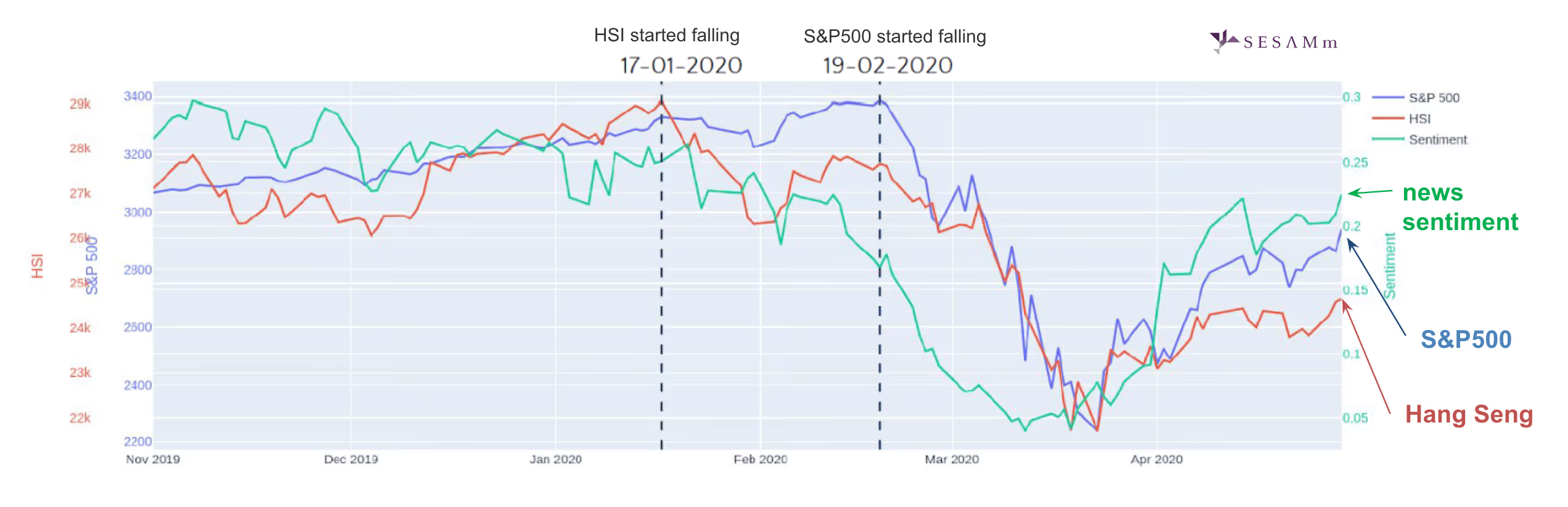
Figure 1: In 2020, U.S. news sentiment falls ahead of the stock market in response to COVID-19 concerns.
The model can calculate sentiment for each company by analyzing the news of individual companies. It’s also possible to create a composite to measure the sentiment related to a stock index. The sentiment data also helps management and investor relations because it provides a quantitative means of understanding the extent to which investors are concerned about certain news about their company.
Verifying the results
Verification using Japanese has revealed that the timing of bottoming and ceiling of text sentiment precedes those of stock prices. The collaborating team compared the performance of:
A model that uses only orthodox financial and economic data as inputs
A model that considers NLP and financial and economic data, confirming that the latter could generate higher alpha
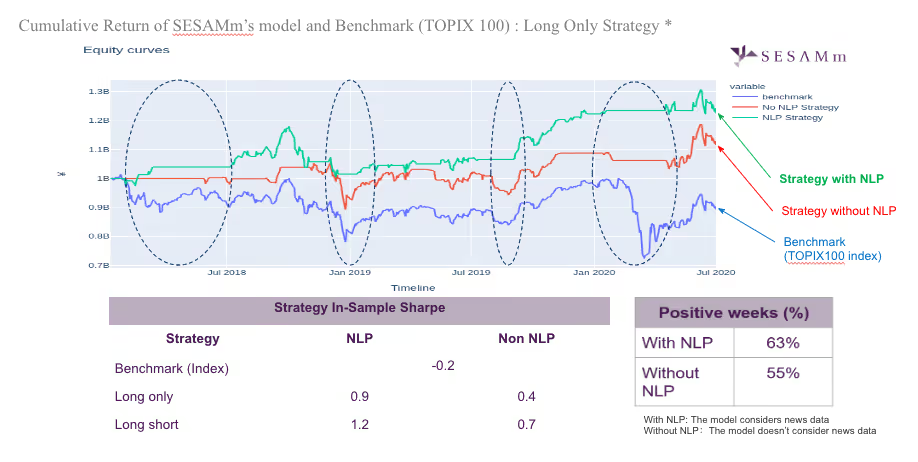
Figure 2: Back-testing confirms that SESAMm’s equity model can predict a market downturn, capturing changes in text sentiment and reducing positions ahead of market crashes.
Since measuring sentiment is mean reversionary by nature, the TMNF team believes it provides good support for position management during rallies and crashes. It’s also valuable for avoiding forced loss-cut at the bottom when liquidity temporarily evaporates and the market crashes.
Expanding the research to other use cases
In addition to analyzing the stock market, Tokio Marine Nichido also expanded the scope of the research to include R&D on using natural language data in trading U.S. high-yield bonds. Research shows that NLP data can help provide a hedging signal for the negatively skewed high-yield market (Figure 3) by capturing deteriorating text sentiment (Figure 5). For example, these signals can inform investors to reduce positions before market reactions.
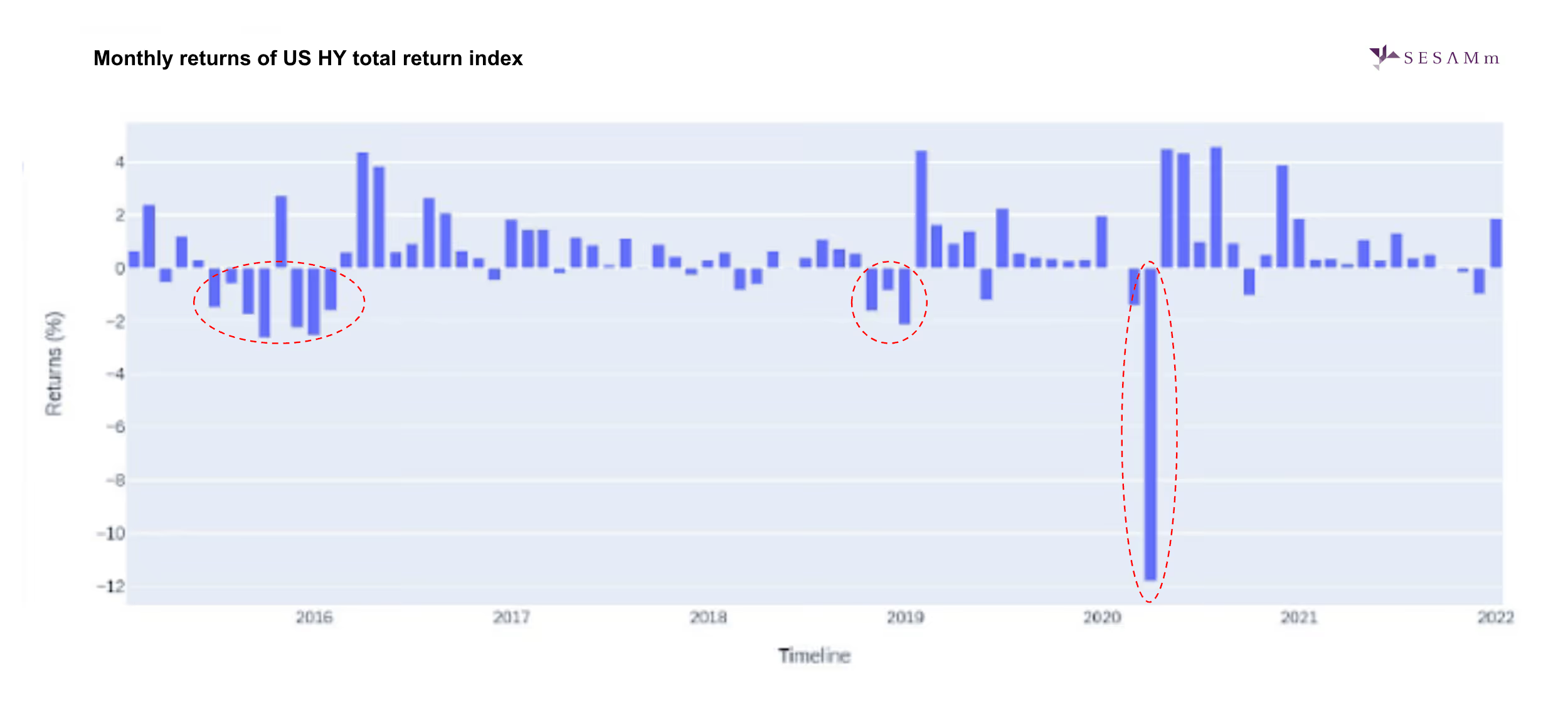
Figure 3: NLP data can help provide a hedging signal by capturing deteriorating text sentiment.
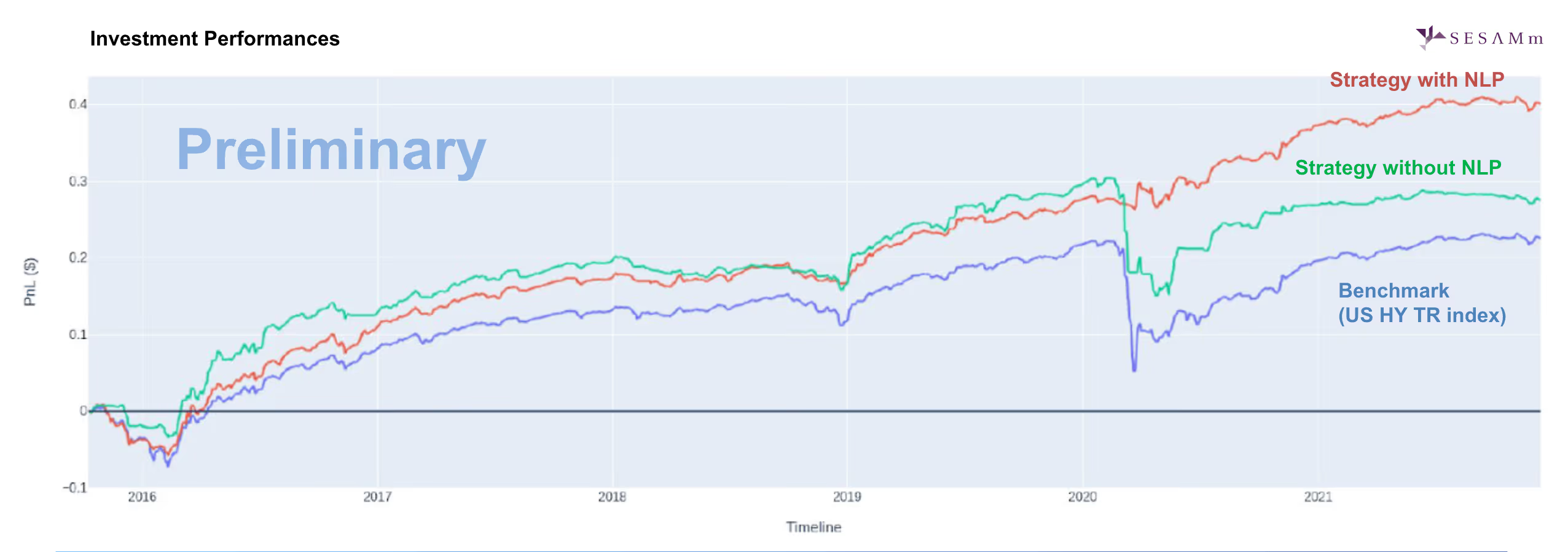
Figure 4: An NLP-informed high-yield strategy can outperform the U.S. high-yield total return index and a strategy without NLP. Same volatility level for the three back-tests.
TMNF is also applying the research to estimate the Fed’s stance—hawkish or dovish—using natural language data, too. It hypothesizes that the market will be focused on the Fed’s stance on interest rate hikes in the next few years.
“The model developed in collaboration with SESAMm is simple in structure, yet, it’s an orthodox and robust model that uses valid data as input.”
Summarizing the collaboration
In developing models, Tokio Marine Nichido believes it is essential to consider “what data to consider” and to keep it simple. And TMNF achieved these tenets. The model developed in collaboration with SESAMm is simple in structure, yet, it’s an orthodox and robust model that uses valid data as input which is preferable to a risky over-fitting by increasing complexity.
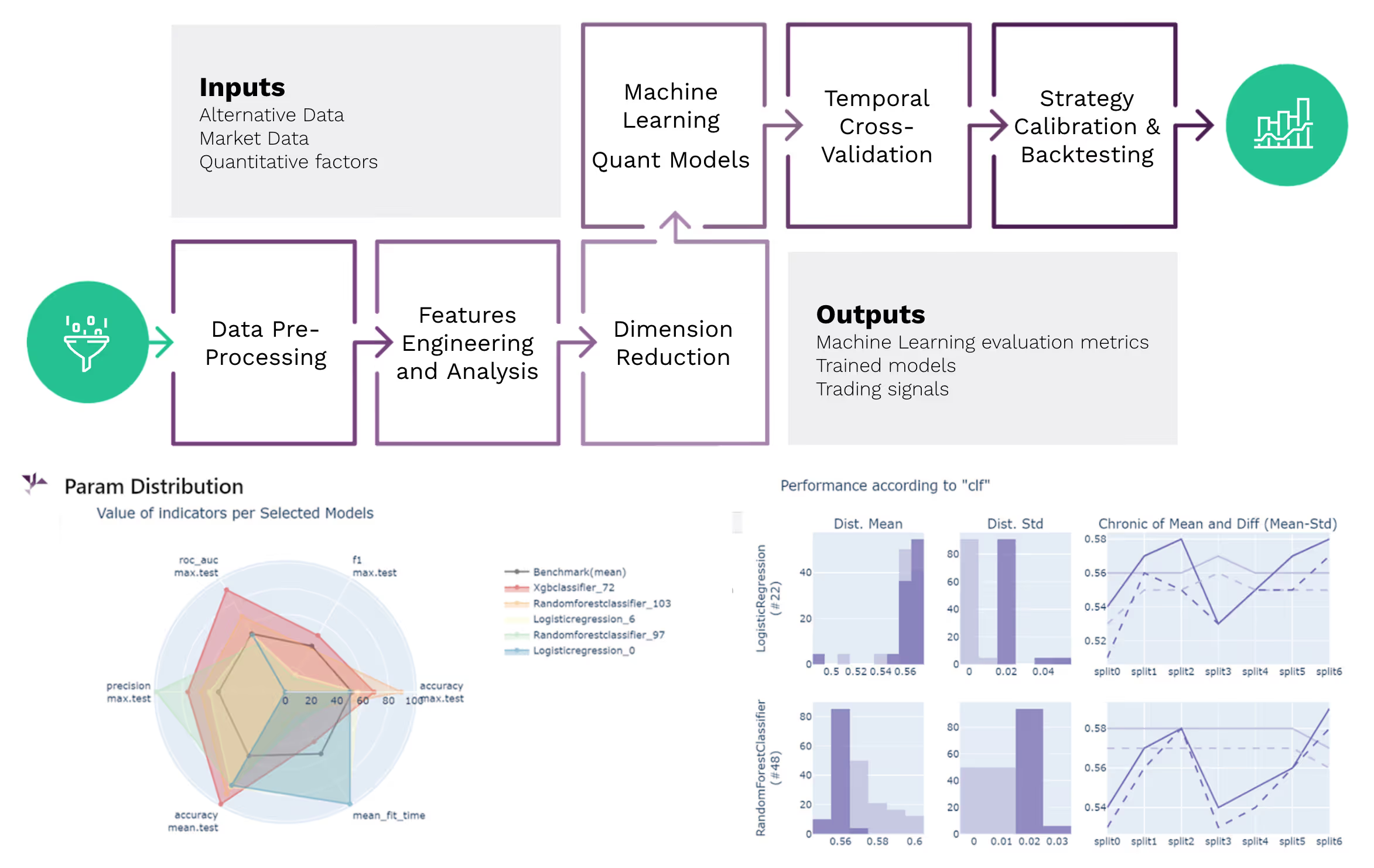
Figure 6: The joint Tokio Marine Nichido and SESAMm NLP alternative data model: Simple yet robust.
Get in touch with SESAMm
To learn more about Tokio Marine Nichido’s case study or to request a TextReveal demo, reach out to us here:

As 2024 comes to a close, I’m proud to reflect on SESAMm’s achievements and energized by the opportunities that lie ahead. This year has been a milestone for our growth, partnerships, and technological advancements, setting a strong foundation to tackle the challenges and embrace the possibilities of 2025.
Looking Back on 2024: Key Achievements
Strengthening Client Partnerships and Expanding Our Reach
This year, SESAMm welcomed an impressive roster of new clients, in particular working more closely with LPs such as Swen Capital, banks, and asset managers such as Natixis, alongside numerous mid-market asset managers and private equity funds. These organizations are turning to SESAMm for more control over their ESG data and access to granular controversy insights, reaffirming our role as a trusted partner in sustainable finance. We also launched impactful partnerships with Ramboll, ARX, FinGreen, and CybelAngel, among others, broadening our reach and capabilities.
Building a Stronger Team and Advancing Our Technology
Internally, we strengthened our team with strategic hires, including our first team member in Canada, to better support our clients locally. On the technology front, we achieved significant milestones: introducing new platform features, launching a comprehensive product documentation help page, and reaching the capacity to process nearly 30 billion documents—our largest scale yet.
Adapting to a Dynamic ESG Landscape
Globally, the ESG landscape was marked by notable developments. Europe focused heavily on CSRD compliance, while Asia advanced new ESG mandates and regulations in South Korea, Japan, and Singapore. Despite regulatory shifts in the U.S., SESAMm experienced strong growth in North America, demonstrating our ability to adapt and thrive globally.
Innovating with Generative AI
This year also saw the integration of generative AI into our solutions, reshaping how we deliver value to clients. Risk Reveal, for example, enables automated controversy report generation and real-time insights.
Looking Ahead to 2025: Rising to ESG Challenges
Embracing ESG Challenges
As we close out 2024, the momentum in ESG shows no signs of slowing down. With new regulations like CS3D and evolving global frameworks, companies face mounting demands to monitor not only their investments but also their supply chains while improving transparency across the board. SESAMm remains committed to enhancing its tools to meet these challenges, delivering faster, more actionable insights to corporate and investment clients alike.
Harnessing the Potential of AI
The evolution of AI presents a major opportunity. Advances in generative models will enable us to further increase the scale and quality of our data processing. Our focus will remain on refining interpretation and reporting capabilities, empowering clients to make smarter, data-driven decisions on millions of companies with minimal friction.
The year ahead will undoubtedly bring its share of challenges, but it also holds incredible potential for progress. SESAMm is committed to remaining at the forefront of ESG and AI innovation, helping businesses not only adapt to change but lead it. None of this progress would be possible without the trust and collaboration of our clients, partners, and team members. Thank you for making this year a success. Together, we are shaping the future of finance and sustainability. Here’s to another year of growth, innovation, and positive impact in 2025!
Reach out to SESAMm
TextReveal’s web data analysis of over five million public and private companies is essential for keeping tabs on ESG investment risks. To learn more about how you can analyze web data or to request a demo, reach out to one of our representatives.
The aerospace and defense industry is essential to global technology and transportation, playing a crucial role in maintaining international security and connectivity. However, this sector faces intense scrutiny due to its significant impact on ESG factors. Amidst challenges like safety lapses and whistleblower revelations, stakeholders are increasingly relying on advanced AI technologies to gain insights into potential controversies. Such technologies have enabled a deeper understanding of the complex ESG issues that permeate the industry, revealing not only the specific challenges faced by companies like Boeing but also providing a broader view of the sector's commitment to corporate responsibility and sustainability.
This article explores the aerospace industry and its ESG challenges, backed up by a case study of industry giant Boeing. It also explains how we used SESAMm’s AI-powered tools to detect these controversies beforehand.
Aerospace and Defense Market Mentions
The top market players in the aerospace and defense industry command 8.3% of the overall market's online mentions. This sector is increasingly scrutinized for its ESG practices amidst technological advancements and global policy shifts.
Media Sentiment in the Aerospace Industry
In this study, we ran our AI tools through our data lake to extract the major market players: Northrop Grumman, Lockheed Martin, General Dynamics, Airbus, and Boeing, with the time frame starting from 2015 to date. The data reveals a notable peak in online mentions of the market trend, mainly following Boeing’s plane crash controversies. Post-2018, we noticed a general upward trend for Airbus and Boeing, indicating their increasing dominance or recovery in the market. This trend demonstrates the shifting landscape of the aerospace industry, where competition is intense, and the share of mentions can reflect broader market movements and company-specific developments.
(*): Polarity or sentiment polarity represents a company's aggregate of positive and negative sentiment (opinions, reviews), ranging from -1 to 1. A zero score means that there is as much positive as negative sentiment. High e-reputation brands can have polarity scores of more than 0.5.
The sentiment across the aerospace market reflects the industry’s highs and lows. On one hand, there are moments of significant achievements like new contracts and technological breakthroughs that drive companies like Lockheed Martin to positive media highlights. Between 2016 and 2018, Lockheed Martin experienced a surge in positive mentions due to key contract wins and proactive company initiatives, which have contributed to maintaining its reputation and market value.
Conversely, the industry faces intense scrutiny over various controversies, notably those surrounding Boeing. The company, a dominant figure in the market, has been at the center of numerous negative headlines, giving it the lowest sentiment polarity among its peers. Issues range from serious safety lapses, such as the tragic 737 MAX crashes throughout the years, to ongoing legal challenges and whistleblower claims that overshadow its governance practices. These incidents have not only affected Boeing’s sentiment negatively but have also influenced the overall perception of the aerospace and defense sector, highlighting the industry's susceptibility to reputational risks.
Macro Themes
The aerospace sector, while essential for global connectivity, has not been without its controversies, especially concerning safety and compliance issues. Among the major players, Boeing's significant share of media mentions is primarily driven by a series of high-profile accidents, including the 737 MAX crashes in 2019, killing all passengers and another serious incident in South China in 2022. These accidents triggered a cascade of lawsuits and fines, severely impacting Boeing’s public perception and operational standing. The aftermath of these incidents also precipitated broader discussions around leadership changes, management practices, safety protocols, and accountability measures within the company.
Similarly, Airbus has faced its own challenges, with notable accidents in 2015 in France and 2016 in the Mediterranean Sea, followed by another in 2020, resulting in 97 fatalities. These incidents underline the persistent safety risks inherent in aerospace operations and the critical need for stringent oversight. Accusations of ethical and legal violations also loom large across the industry. Boeing, for example, has been embroiled in numerous investigations and lawsuits related to various accusations. Meanwhile, other industry giants like Northrop Grumman and Lockheed Martin have faced legal actions over environmental and contracting practices, such as Northrop’s involvement in residential chemical contamination and Lockheed’s settlement over accusations of overcharging the Navy. General Dynamics has also encountered legal scrutiny over employment practices and allegations of human rights and privacy violations.
These controversies highlight a complex landscape of operational, legal, and ethical challenges in the aerospace industry. Each incident not only affects the involved company but also catalyzes shifts in regulatory practices and leadership strategies, underscoring the need for robust governance and proactive risk management to uphold safety and integrity in aerospace operations.
ESG Analysis
The influence of ESG factors on public perception and internal company policies within the aerospace industry is profound. Governance issues, in particular, continue to be a critical focus as aerospace companies confront challenges related to compliance, ethical practices, and transparency. Social factors are also prominent, with labor practices and safety standards critically influencing operational and strategic decision-making. Environmental considerations are escalating in importance as the industry progresses towards more sustainable practices, driven by increasing concerns over climate change and environmental sustainability.
Northrop Grumman illustrates an aspect of ESG concerns with specific environmental risks linked to its operations. Accusations have surfaced against Northrop Grumman for its role in environmental degradation, such as pollution from manufacturing plants and involvement in contamination incidents at residential sites. These issues not only affect the company’s environmental track record but also impact its social standing and governance integrity. The company also displays some governance risks related to its total mentions volume driven by accusations of fueling false ‘Revenge Porn’ allegations against CIA whistleblower John Kiriakou as well as legal investigations driven by Northrop Grumman investors over its claims to recover their losses and class action lawsuits over claims of a breach of fiduciary duty.
The aerospace sector’s engagement with these ESG factors indicates a shift towards addressing the critical issues facing the industry. Boeing ranks first in terms of risks, with social risks having the highest share, followed by Airbus, with risks coming from social issues such as customer relations, fundamental human rights, and governance risks mainly related to its fraud, bribery, and corruption charges. This shift is not just about mitigating risks but also about harnessing opportunities to enhance corporate responsibility and ensure long-term sustainability.
Deep Dive into Boeing: ESG Risks and Public Perception
The aerospace industry has faced increasing scrutiny over its ESG practices. Among the key players, the American aerospace company Boeing has been prominently featured in media discussions, not only due to its market distinction but also because of its ESG challenges that have sparked significant controversy.
Boeing Word Cloud
This word cloud visually represents the main online topics surrounding Boeing, particularly focusing on the issues and controversies related to the 737 Max aircraft. Key terms like "737 Max," "Boeing," "safety," "death," and "FAA" are prominently displayed, indicating these as central themes in the discussion. The size of each word in the cloud signifies its frequency and importance in related discussions, with larger words being more prevalent. This visualization encapsulates a range of associated topics such as "lawsuit," "Senate hearing," and "missed inspections," highlighting the broad spectrum of regulatory, safety, and ethical issues that have dominated public and media discourse regarding Boeing.
Boeing ESG Analysis
According to TextReveal’s findings, since 2019, Boeing's ESG risks have intensified, particularly in social and governance, leading to a substantial impact on its public image and stock performance. The company's struggles with governance issues are well-documented, encompassing major safety lapses that resulted in the tragic crashes of the 737 MAX aircraft in the span of six months in Indonesia and Ethiopia. These events have not only led to a loss of life but also raised serious questions about the company's commitment to safety protocols and ethical standards.
Social risks at Boeing are also prominent, with multiple incidents involving customer relations and human capital management. Notably, the company has faced significant scrutiny regarding its response to the 737 MAX crashes, highlighting deficiencies in transparency and accountability in dealing with the fallout. The handling of these incidents resulted in widespread public distrust, significantly damaging Boeing's relationships with airlines, regulatory bodies, and the flying public. Issues such as delays in disclosing software malfunctions and the initial reluctance to ground the fleet have led to accusations of prioritizing profit over passenger safety. Furthermore, Boeing's labor practices have also come under fire. There have been multiple instances of tension with labor unions over contract negotiations, job cuts, and factory conditions, which exacerbate the social risks by affecting employee morale and productivity. These labor disputes and the perceived erosion of safety standards contribute to a challenging environment, complicating Boeing's efforts to rebuild trust and ensure operational stability.
Early Signs: Whistleblowers
We used TextReveal's analytics capabilities to track the prevalence of whistleblower mentions within the aerospace industry, with data pointing back as far as 2019. This tool has effectively highlighted ongoing concerns and patterns related to corporate governance and safety issues.
Boeing has also been facing whistleblower retaliation. High-profile cases involving whistleblowers like John Barnett, who was found dead under mysterious circumstances, and Sam Salehpour, who reported safety shortcuts and received physical threats, illustrate the perilous environment for those who challenge the status quo. These whistleblowers' stories, while distressing, shed light on a culture that may prioritize expediency over thoroughness and safety.
One of the most significant cases involved John Barnett, a former quality manager at Boeing, who raised alarms about critical safety lapses in the production of the 787 Dreamliner. Barnett claimed that faulty parts were knowingly installed on planes, potentially endangering passengers. His revelations were met with hostility and retaliation, resulting in his tragic and suspicious death, which was officially ruled as a suicide. This case has fueled widespread media coverage and public outcry, questioning the integrity of Boeing’s internal safety practices and the treatment of employees who report such critical issues.
Another well-known whistleblower, Ed Pierson, reported concerns about the 737 MAX's manufacturing process, specifically pointing to the rushed production schedules that he believed compromised safety. His testimony before congressional hearings helped to expose a "profit over safety" mentality that appeared to saturate Boeing’s management practices. Pierson’s allegations were particularly damaging as they were directly linked to the two fatal crashes of the 737 MAX, which tragically resulted in 346 deaths.
Sam Salehpour, a Boeing engineer, also came forward with allegations of manufacturing shortcuts that compromised the structural integrity and safety of Boeing aircraft. Like others, Salehpour faced significant backlash from superiors and was reportedly blackballed within the industry for his outspokenness, highlighting the severe personal and professional risks faced by whistleblowers within the air travel giant.
The cumulative effect of these whistleblower cases has led to significant scrutiny from regulatory bodies, the media, and the public. The Federal Aviation Administration (FAA) has stepped up its oversight of Boeing, leading to fines, increased regulations, and a temporary grounding of the 737 MAX fleet. These incidents have sparked broader discussions about the need for systemic reforms within the aerospace industry to ensure that safety and ethical standards are not only upheld but prioritized over financial incentives.
How does SESAMm Detect ESG
Navigating the vast amounts of data available is a significant challenge when conducting this type of analysis. At SESAMm, our experts begin with a comprehensive sentiment analysis of the industry and its key players. By examining trends, particularly spikes in data volume or shifts in sentiment—both positive and negative—they can pinpoint the issues and controversies driving these changes. Following this, our team conducts a thematic deep dive into the topics most relevant to the industry, providing a nuanced understanding of the issues that are particularly sensitive for stakeholders. With these insights in hand, our team then moves to company-specific analyses and benchmarking to assess how individual companies perform relative to their peers.
SESAMm's TextReveal® platform plays a significant role in identifying and understanding the complex web of controversies within industries such as aerospace. Through its algorithms, the platform sifts through vast amounts of data from diverse sources like news outlets, social media, and corporate disclosures to detect subtle cues and patterns that might indicate emerging ESG controversies. This robust data collection and analysis enable SESAMm to pinpoint issues related to whistleblower activities, safety violations, and governance lapses well before they gain widespread attention. By integrating this intelligence, SESAMm facilitates a deeper understanding of the underlying factors contributing to these controversies, aiding stakeholders in navigating the intricate dynamics of corporate accountability and regulatory compliance.
SESAMm's TextReveal® platform provides a comprehensive suite of ESG analytics tools that leverage extensive data collection from news outlets, social media, corporate disclosures, and NGO reports, ensuring thorough coverage of emerging and underreported ESG issues. Utilizing advanced artificial intelligence, the platform analyzes sentiments and contextual nuances within this data to identify positive and negative ESG indicators, helps stakeholders measure public sentiment before issues escalate, and makes accurate business decisions. Additionally, its capability to identify and map relationships between entities such as companies, individuals, and products to various ESG issues is crucial for assessing how internal dynamics influence a company’s overall ESG profile.
TextReveal® also employs predictive analytics to foresee potentil ESG controversies, enabling proactive risk management and strategic planning. Moreover, it offers detailed ESG reporting and scoring, providing quantifiable insights into a company’s ESG performance, which is invaluable for investors and analysts. Lastly, the platform’s analysis of the influence of key individuals on ESG practices offers deeper insights into leadership effectiveness and ethical compliance, making SESAMm's tools essential for integrating ESG considerations into comprehensive corporate strategy and maintaining competitive advantage in a socially conscious market environment.
Conclusion
Navigating the complexities of ESG risk management requires a shift from traditional methods to more advanced, AI-driven approaches. AI's ability to analyze vast amounts of unstructured data enables early detection of hidden risks, as demonstrated in our case study on Boeing. Using AI, we identified emerging controversies around Boeing's safety practices, quality control, and governance issues before they escalated, showcasing the technology's potential for proactive risk management.
Incorporating AI into ESG assessments allows private equity firms and other stakeholders to move beyond reactive strategies. By detecting potential risks early, firms can safeguard their investments, protect their reputations, and align with a growing emphasis on responsible investing. Embracing AI-driven tools is not just about keeping pace with market demands—it's about ensuring a more secure, transparent, and sustainable approach to investment in an ESG-focused world.
Reach out to SESAMm
TextReveal’s web data analysis of over five million public and private companies is essential for keeping tabs on ESG investment risks. To learn more about how you can analyze web data or to request a demo, reach out to one of our representatives.
The European Union is trying to tackle a big problem: imported goods that drive deforestation. A new Deforestation Law, planned to take effect at the end of 2025, would require companies to prove that products like cocoa, coffee, soy, and timber are not linked to forest loss. It’s an ambitious effort to make supply chains more sustainable and to hold global companies accountable. But not everyone is on board.
Why the Law Matters
The law is rooted in a clear goal. Agriculture and forestry are responsible for the vast majority of global deforestation, and many of the products linked to this destruction end up in European markets. The EU hopes to slow forest loss, protect biodiversity, and reduce climate impact by tightening import standards. The regulation also reflects growing demand from consumers and investors who want more responsible sourcing and transparency.
Who’s Pushing Back and Why
Over the past few weeks, opposition has gained steam from both industry leaders and EU governments.
On the corporate side, food companies like Mondelez, Mars, and Hershey are asking the EU to delay the rollout. They argue that the regulation could raise costs, cause supply disruptions, and hurt competitiveness. With cocoa prices already hitting record highs, many producers say they lack the tools and infrastructure to meet the new requirements.
This growing pushback highlights a real tension. On one hand, the EU wants to lead on environmental issues and use its market power to drive global change. On the other hand, companies and governments are warning that good intentions could come with serious trade-offs.
The next few months will be key. If the EU weakens the law too much, it could undermine its climate credibility. But if it presses ahead without flexibility, it risks creating economic strain and cutting off small producers from the European market.
SESAMm’s AI Technology Reveals ESG Insights
Discover unparalleled insights into ESG controversies, risks, and opportunities across industries. Learn more about how SESAMm can help you analyze millions of private and public companies using AI-powered text analysis tools.
Stay ahead with the latest in ESG and AI intelligence
Join our mailing list to receive new reports, event invites, and updates from SESAMm directly to your inbox.